
Isopropyl Myristate (IPM) continues to be a cornerstone emollient and solvent in the personal care and cosmetics industry. As a lightweight, fast-spreading ester derived from myristic acid and isopropyl alcohol, IPM delivers a non-greasy feel, excellent skin penetration, and effective active ingredient delivery. In March 2026, the personal care raw materials market shows selective tightness in fatty acid esters and emollients, driven by feedstock cost pressures, energy expenses, and steady demand recovery in skincare, haircare, and color cosmetics.
Brent crude oil, exceeding 114 USD/Bbl in recent sessions (Trading Economics real-time data, March 9, 2026), contributes to higher logistics and production costs across cosmetic ingredients. While IPM is less directly tied to petrochemical volatility than some surfactants, it is influenced by palm-derived fatty acid supply dynamics and global energy transmission.
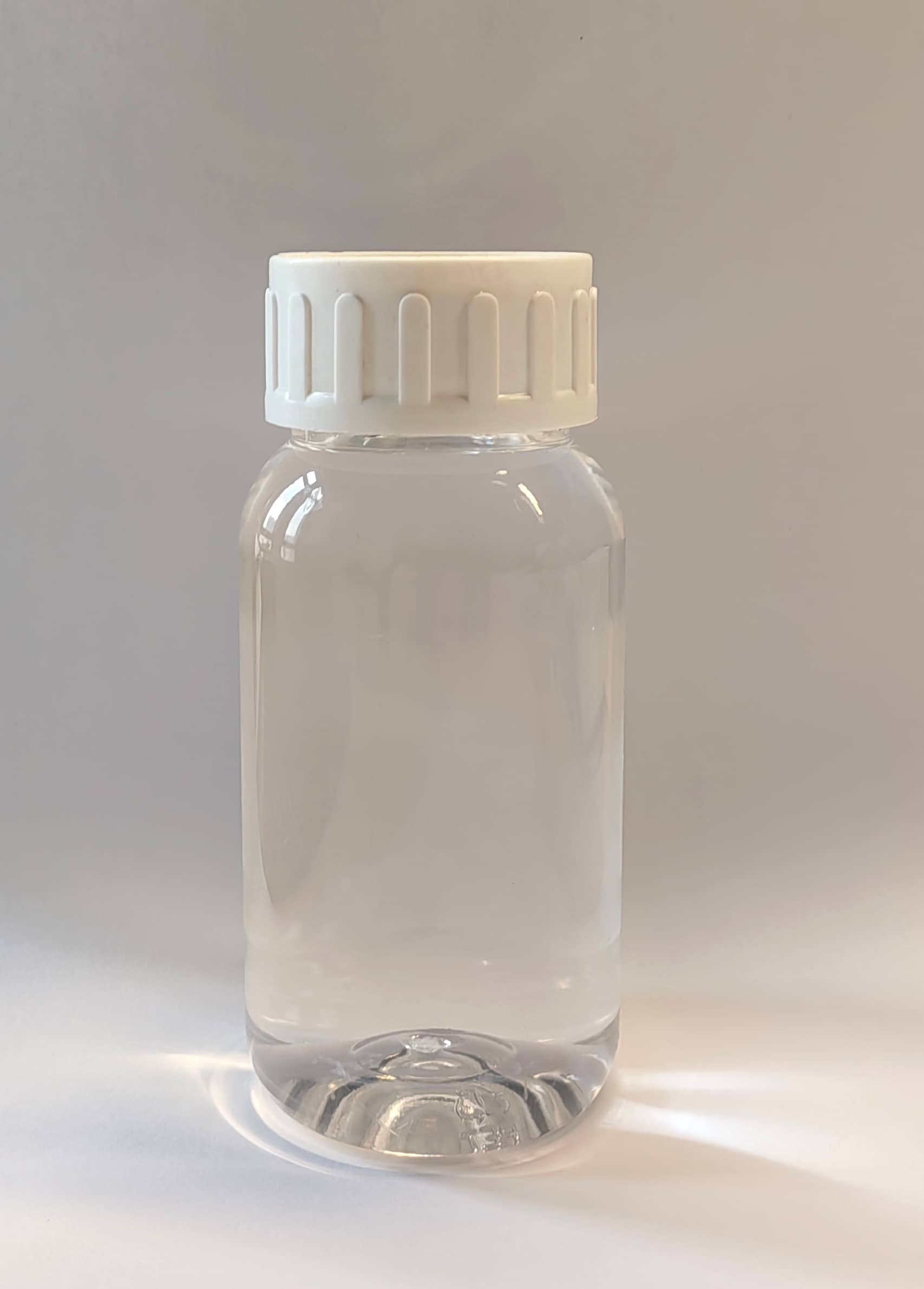
IPM Market Size, Growth & Demand Forecast 2026
IPM is a key player in the global emollients and cosmetic esters segment, benefiting from consumer preference for lightweight, sensory-pleasing textures. Market projections include:
- Global cosmetic ingredients market: Valued at USD 29.5 billion in 2025, projected to grow to USD 31.1 billion in 2026 at a CAGR of 5.4% (IMARC Group, 2026 update).
- Emollients segment (including IPM): Expected to expand at a CAGR of 5.1–5.8% through 2030, driven by natural/synthetic blends and premium skincare demand (Grand View Research & Statista estimates).
- Personal care esters demand: Supported by Asia-Pacific growth and clean beauty trends, with the broader beauty & personal care market reaching USD 646 billion by 2025 and continuing upward (Statista, 2026 projections).
Key Applications Driving IPM Demand
IPM is versatile and widely incorporated in a variety of personal care and cosmetic formulations:
- Skincare: Moisturizers, lotions, creams, and serums. IPM provides a silky texture, enhances penetration of active ingredients, and reduces greasiness.
- Haircare: Conditioners, styling products, and anti-frizz serums benefit from improved spreadability and hair manageability.
- Color Cosmetics: Foundations, lip products, and makeup removers rely on IPM as a solvent and dispersant for pigments.
- Sun Care & Gentle Formulations: Lightweight sunscreens and baby products use IPM to achieve a non-sticky, elegant sensory feel.
Demand remains supported by the industry’s ongoing focus on lightweight, high-performance textures and the steady expansion of beauty consumption in emerging markets.
How Current Supply Dynamics Make Inventory an Advantage
In the current selective tightness environment, suppliers with pre-committed or ready inventory hold a clear advantage. Existing stock positions enable faster delivery, consistent quality, and reduced exposure to spot market constraints or quotation variability.
This creates practical benefits for buyers seeking:
- Reliable, quick-turnaround volumes
- Stable supply for ongoing production runs
- Lower risk in a market where lead times and pricing can shift quickly
Strategic Procurement Tips for IPM Buyers in 2026
- Prioritize suppliers with ready inventory to secure fast delivery amid market tightness.
- Monitor energy and fatty acid feedstock trends for timely planning.
- Leverage pre-positioned stock for production continuity and risk reduction.
If your product line includes moisturizers, serums, hair conditioners, sunscreens, or other IPM-dependent formulations, contact us promptly for current availability, technical specifications, and tailored support.