
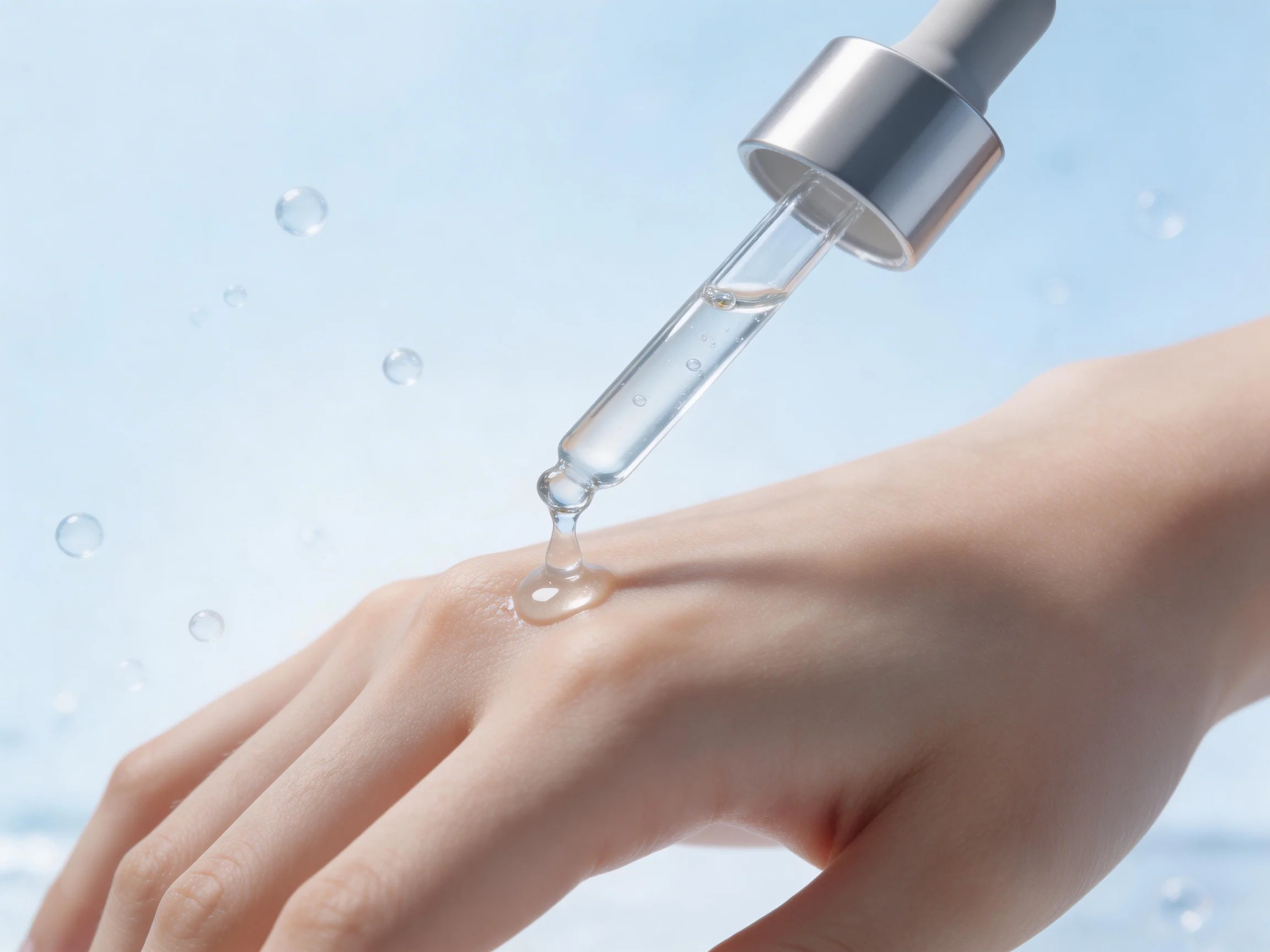
Sodium hyaluronate in skin care is widely used for its ability to deliver deep, long-lasting hydration. From lightweight serums to rich creams, it has become a key ingredient for brands focused on moisture, skin barrier support, and visible anti-aging results.
Compared to standard hyaluronic acid, sodium hyaluronate has a smaller molecular size, allowing it to penetrate the upper layers of the skin more effectively while still maintaining strong moisture retention on the surface.
What Is Sodium Hyaluronate?
Sodium hyaluronate is the salt form of hyaluronic acid, a naturally occurring compound found in the skin, eyes, and connective tissues. In cosmetic formulations, it is preferred due to its better stability and improved skin penetration.
As a humectant, it attracts and binds water, helping maintain hydration levels and supporting overall skin function. This makes it a core ingredient in modern moisturizing systems.
How It Works in Skin Care
Its effectiveness comes from its strong water-binding capacity. A small amount can hold a significant volume of water, forming a lightweight, breathable layer on the skin.
At the same time, lower molecular weight fractions can move into the upper epidermis, helping improve hydration from within. This combination of surface protection and deeper moisture delivery leads to both immediate and long-term effects.
- Forms a moisture-retaining film on the skin surface
- Helps improve skin smoothness and elasticity
- Supports hydration in both short and long term use
Performance Data Overview
| Property | Typical Value |
|---|---|
| Water Binding Capacity | Up to 1000x its weight |
| Recommended Usage Level | 0.1% – 1.0% |
| pH Stability Range | 4.0 – 8.0 |
| Solubility | Fully soluble in water |
| Skin Compatibility | Non-irritating, suitable for all skin types |
Key Benefits in Formulations
Deep Hydration
Helps maintain moisture levels in daily-use products such as serums, creams, and masks, making it suitable for dry and dehydrated skin.
Visible Smoothing Effect
By binding water within the skin, it temporarily reduces the appearance of fine lines and improves overall skin texture.
Barrier Support
Regular use helps strengthen the skin’s natural barrier, reducing moisture loss and improving resilience.
Enhanced Ingredient Delivery
Works well alongside other active ingredients, supporting better distribution and absorption in the formulation.
Suitable for Sensitive Skin
Lightweight and non-irritating, it can be used in products designed for a wide range of skin types.
Molecular Weights and Their Roles
Different molecular weights offer different functional effects, and many formulations combine them for better performance.
- High molecular weight: stays on the surface and provides immediate hydration
- Medium molecular weight: balances surface and mid-level moisture
- Low molecular weight: penetrates deeper for longer-lasting hydration
Using multiple weights together allows formulators to achieve both instant and sustained results.
How to Use in Skin Care Formulations
This ingredient is highly versatile and can be used in a wide range of product types:
- Hydrating serums
- Moisturizing creams and lotions
- Sheet masks and eye treatments
- Anti-aging formulations
- Post-procedure recovery products
Typical usage levels range from 0.1% to 1.0%, depending on the desired texture and performance.
It is usually added to the water phase and should be properly dispersed to avoid clumping. Combining different molecular weights is a common approach in advanced formulations.
Typical Formulation Guidelines
| Parameter | Recommendation |
|---|---|
| Usage Level | 0.1% – 1.0% |
| Phase | Water phase |
| Temperature | Add below 60°C to maintain stability |
| pH Range | 4.0 – 8.0 |
| Compatibility | Works well with most actives and emulsions |
When to Use Sodium Hyaluronate
- When developing lightweight hydration-focused products
- When targeting skin barrier repair formulations
- When combining with active ingredients for improved delivery
Why It Continues to Gain Popularity
As consumers look for effective, well-tolerated ingredients, sodium hyaluronate remains a reliable choice. It delivers visible results without irritation and works well across different product formats and skin types.
Its compatibility with clean-label trends and modern formulation systems also makes it a preferred option for many brands.
Conclusion
Sodium hyaluronate remains one of the most effective ingredients for hydration-focused skin care. Its ability to combine immediate moisture with longer-term skin benefits makes it a core component in both basic and advanced formulations.
Niran Chemical supplies cosmetic-grade sodium hyaluronate in multiple molecular weights to support different formulation needs. Contact us to discuss your application or request samples.
Frequently Asked Questions (FAQ)
What does sodium hyaluronate do in skin care?
It helps attract and retain moisture, improving hydration, skin smoothness, and overall texture.
Is sodium hyaluronate better than hyaluronic acid?
It generally offers better penetration and stability, making it more suitable for cosmetic formulations.
Can it be used for sensitive skin?
Yes, it is non-irritating and widely used in products designed for sensitive and reactive skin types.
What is the typical usage level?
Most formulations use between 0.1% and 1.0%, depending on the desired effect and product type.
Can it be combined with other ingredients?
Yes, it works well with a wide range of actives and is often used to improve overall formulation performance.